When facing a medical procedure, patients often seek out choices to the standard treatment so they can decide which is best for them. That includes patients who need root canal therapy. More and more, they’re researching an alternative to standard root canal treatment, and often, the choice can come down to two alternative therapies: dental implants and the GentleWave® Procedure.

Share Page

When it comes to root canal therapy, patients often have a lot of questions—from the type of therapy to pursue to what to expect before, during and after treatment.

The GentleWave® team set out to answer these questions by going straight to the source—a board-certified endodontist! Read through our Q&A session below with Dr. Anne Wiseman, owner of Wiseman Endodontics.

Share Page

If you’ve been told that you need a root canal, it means that the pulp-filled cavity of your tooth has become infected or inflamed.

Where is the Pulp of the Tooth?

Share Page

There are various signs and symptoms associated with a root canal system infection, including constant toothache, lingering sensitivity, discharge or drainage from the tooth, discoloration and swelling of the gums.*

Share Page

The odds are that your dentist performs root canal therapy—and they do it well! However, root canal therapy is one of the only things that an endodontist does. This means that while your dentist may perform a handful of root canals during any given month, an endodontist performs them day in and day out.*

Share Page

When left untreated, root canal infections can result in other health issues. In fact, nearly 600,000* patients end up in the emergency room each year for pulp or periapical lesions.

Share Page

If you’ve been experiencing toothaches, sensitivity and/or swollen gums, the first step to relief is to schedule an appointment with your dentist. Once your symptoms are assessed and a thorough examination is completed, a possible diagnosis could be infected root canal system.

If you’ve been diagnosed with this infection, the next step is to find a root canal specialist who can provide treatment.

Share Page

After visiting your dentist for toothaches or pain, you may learn that you have an infected root canal system. Following this diagnosis, your dentist may either recommend that they perform a root canal treatment, or refer you to an endodontist.

Endodontists perform root canal therapy, but many don’t know about these dental professionals until they’ve been referred to one.

Share Page

Root canal treatment is needed when the pulp, or the soft tissue that lives inside the root canal of a tooth, becomes infected or inflamed, and cannot be restored to become healthy again. The symptoms of an infected root canal system vary, but the treatment required is often the same.

Do I need a Root Canal?

If you are experiencing the below symptoms, you may need root canal therapy.

Share Page

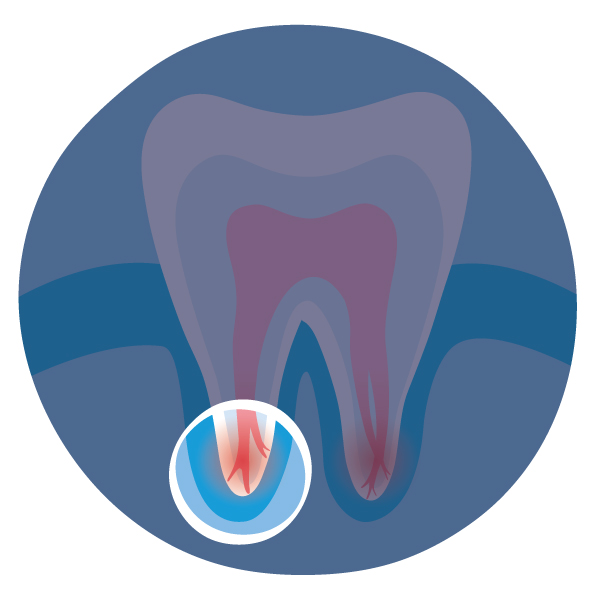
GentleWave ProcedureA root canal is the pulp-filled cavity in the root of a tooth, containing both nerves and blood vessels. When this area of the tooth becomes infected or inflamed, endodontic therapy may be needed.

Share Page

Subscribe to Seeking Options: My dentist said I need a root canal